
Legacy CE
November 13, 2026
8:45 AM - 2:00 PM Central Time
8:45 AM - Registration and 9:15 AM - CE Begins
Santé Center for Healing
914 Country Club Road, Argyle, TX 76226
4 CE Hours
Breakfast and Lunch will be provided
Registration Fee
$30.00
Speakers and Topics
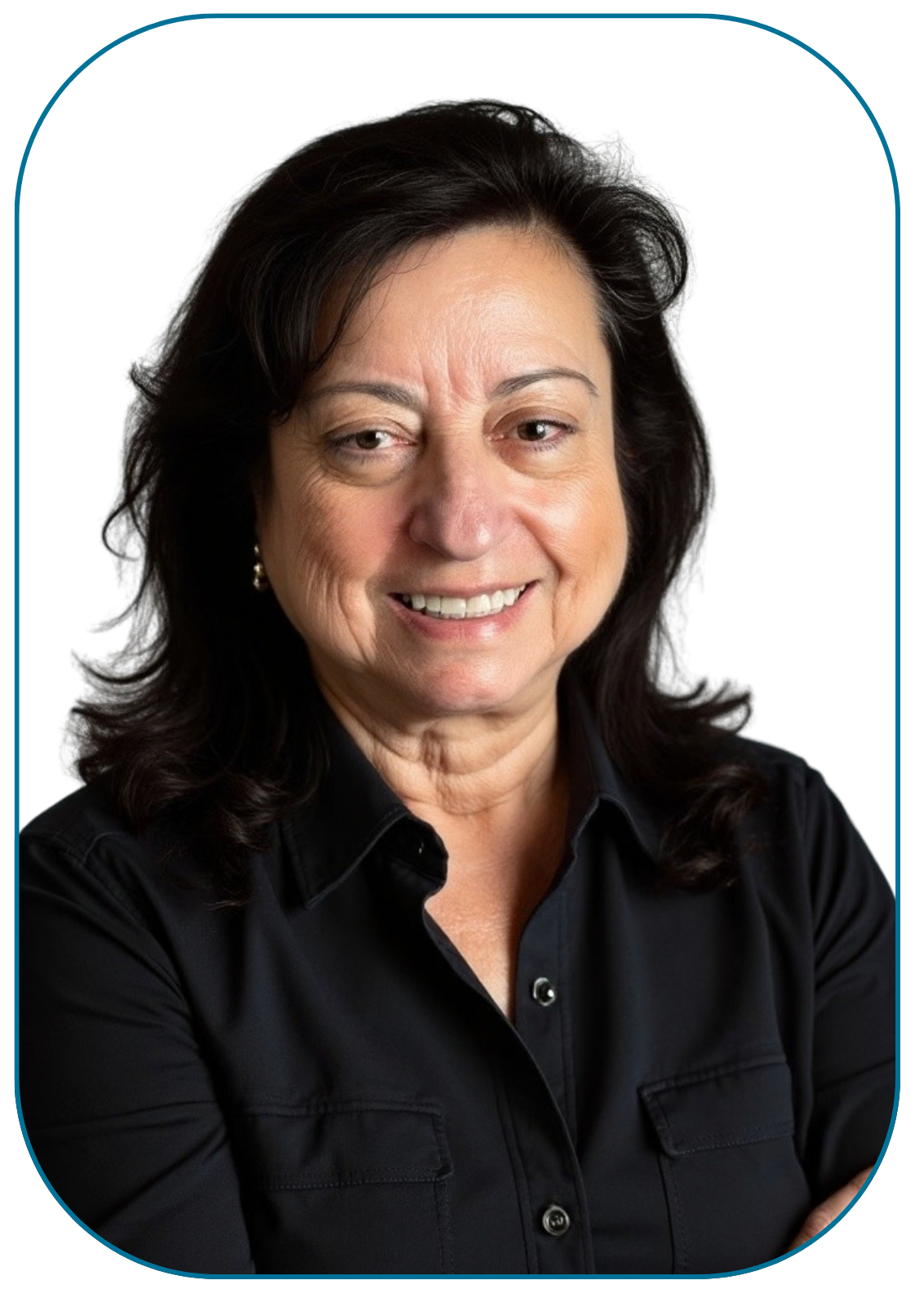
The Let Them Theory
Overview and Objectives:
How does The Let Them Theory apply in addiction. Whom does it help?
-
Understand the concept.
-
How does someone apply it.
- What are the issues?
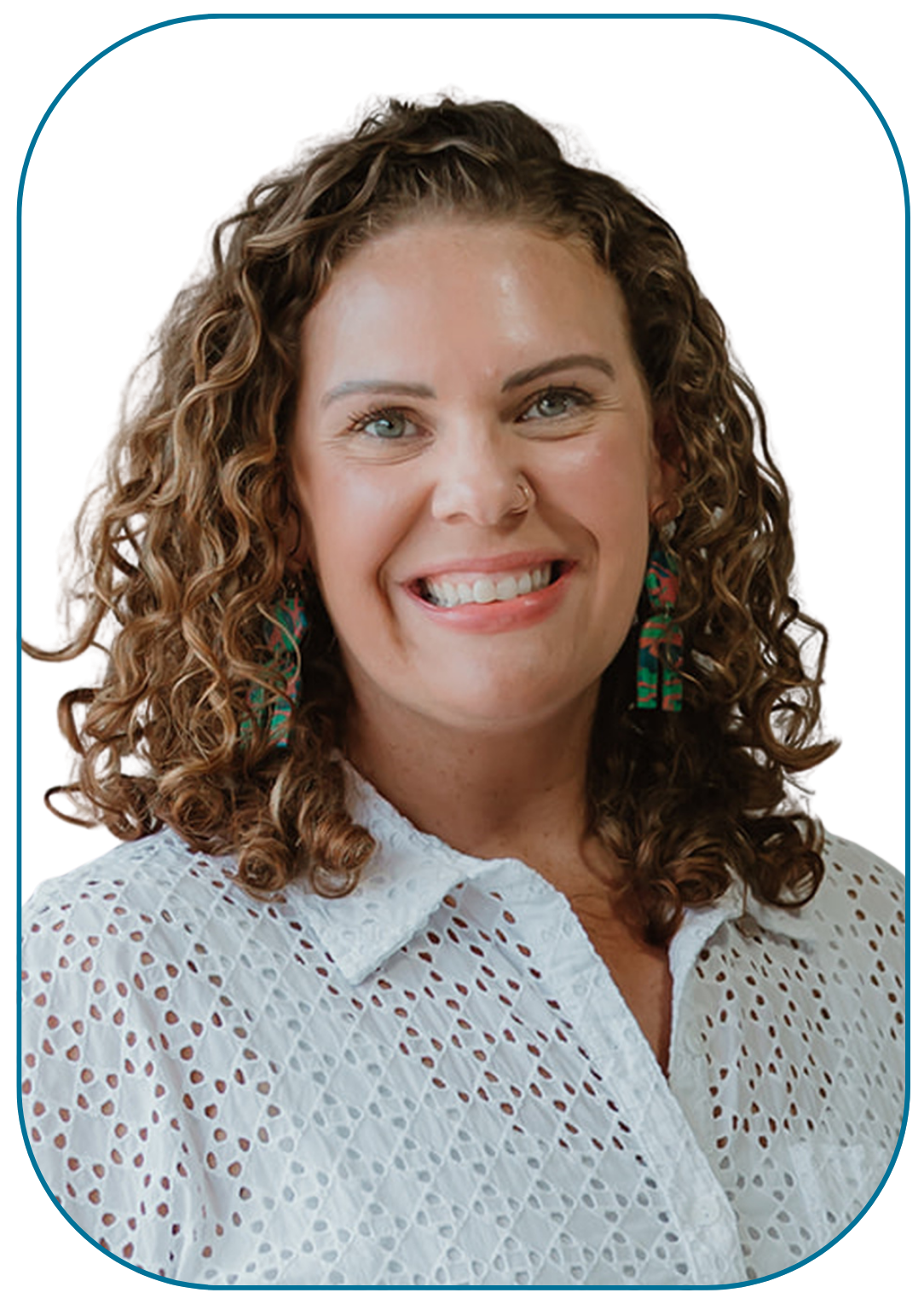
What’s in the Mix? Building Recovery Capital for Lasting Change
Overview and Objectives:
Recovery capital is the process of accumulating the internal and external assets required to initiate and sustain recovery from addiction. Recovery becomes more sustainable when clients have access to resources within themselves, their relationships, their communities, and their cultures. This framework shifts the focus from a deficit-based model (treating pathology) to a strengths-based model, where holistic resources like housing, coping skills, and social support act as a buffer against relapse.
-
Defining and understanding the 4 primary pillars
-
Take a Kitchen Inventory (Asset Mapping)
-
Balance the Flavor Profile (Creating a Stable Mix)
- Taste-Test and Season (Ongoing Progress Checks)
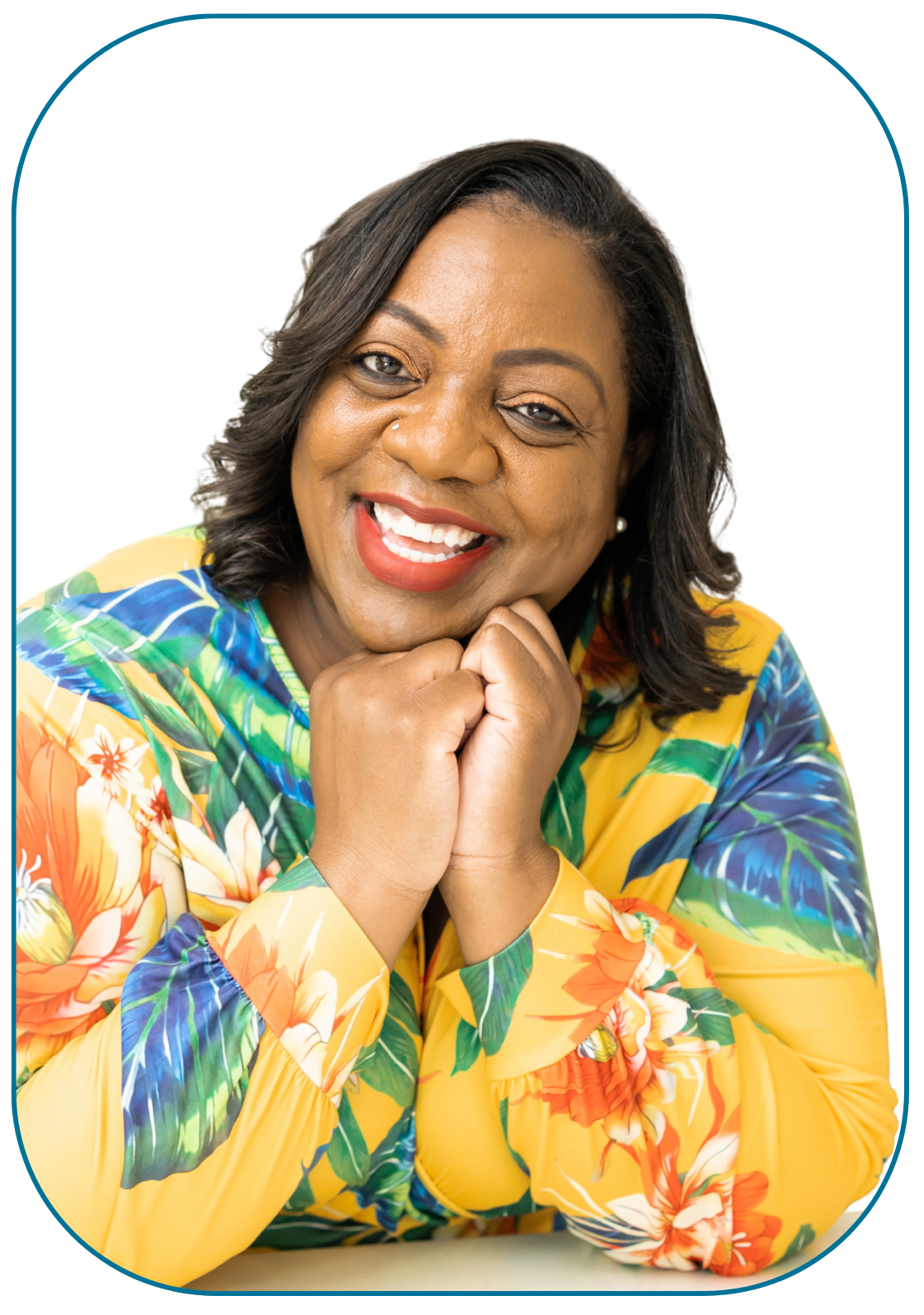
Legacy & Liberation: Decolonizing Care for BIPOC Clients in Recovery
Overview and Objectives:
Despite increased attention to diversity in behavioral health, BIPOC clients continue to face compounding concerns, including traumatic stress, health disparities, environmental racism, and disproportionate impacts from COVID-19 (Alegría et al., 2010; Benfer et al., 2021; Crosby, 2022; Laborde et al., 2021). Too often, the counseling room itself can become another site of harm through microaggressions, cultural misattunement, overdiagnosis, underdiagnosis, stereotyping, and the imposition of clinician worldviews (Adames et al., 2023; Bamgbose, 1980; Burkard & Knox, 2004; Pope et al., 2021). These experiences can contribute to mistrust, discomfort, premature termination of counseling, and persistent disparities in mental healthcare among BIPOC clients (Arora et al., 2022; Davis et al., 2016; Owen et al., 2011; Sue & Zane, 1987). These concerns underscore the importance of examining how culturally responsive and decolonized approaches can inform clinical practice, including addiction treatment and recovery settings. Grounded in Sodhi’s (2024) decolonial framework, this presentation introduces decolonizing therapy as an emerging "force" in counseling that moves beyond cultural competence toward cultural humility and justice-oriented care. Participants will leave with tangible strategies to better engage, support, and retain BIPOC clients in recovery.
-
Identify the first five forces in counseling, with emphasis on the limitations of the first three forces in serving BIPOC clients.
-
Analyze how systemic inequities, minority stress, and clinical misattunement impact treatment outcomes for BIPOC clients
-
Apply at least three strategies from Sodhi's (2024) decolonial framework in recovery-oriented settings

DBT Snapshots: Skills You Can Teach In A Session
Overview and Objectives:
The goal is to provide clinicians with applicable skills to support clients. The overview will assist clinicians in teaching mindfulness, distress tolerance, emotional regulation, and interpersonal effectiveness.
-
Identify which skills to use and when.
-
Identify mindful practice, interpersonal skills, emotional regulation, and distress tolerance.
- Increase competence of effective skills teaching among clinicians.
CE Hours Provided:
-
Texas Certification Board of Addiction Professionals Provider No. 1584-00
-
Texas State Board of Examiners Professional Counselors No. 144
-
Texas State Board of Examiners Marriage and Family Therapists No. 344
-
Texas State Board of Social Workers Examiners Provider No. 2974
-
Oklahoma Board of Licensed Alcohol and Drug Counselors Provider No. 20270171
Countdown to the Event
00
Days
00
Hours
00
Minutes
00
Seconds